CORN-DRIVE system
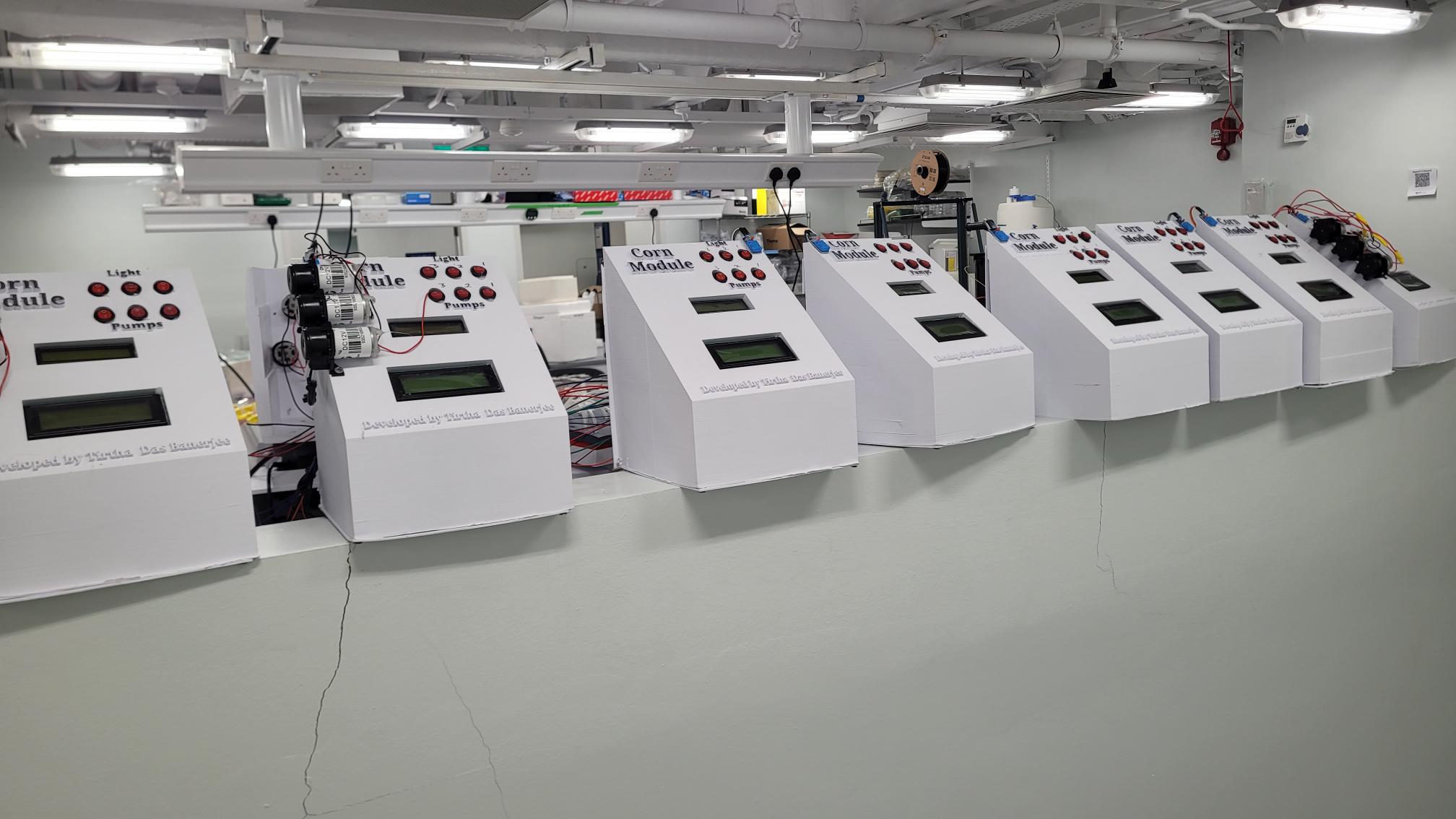
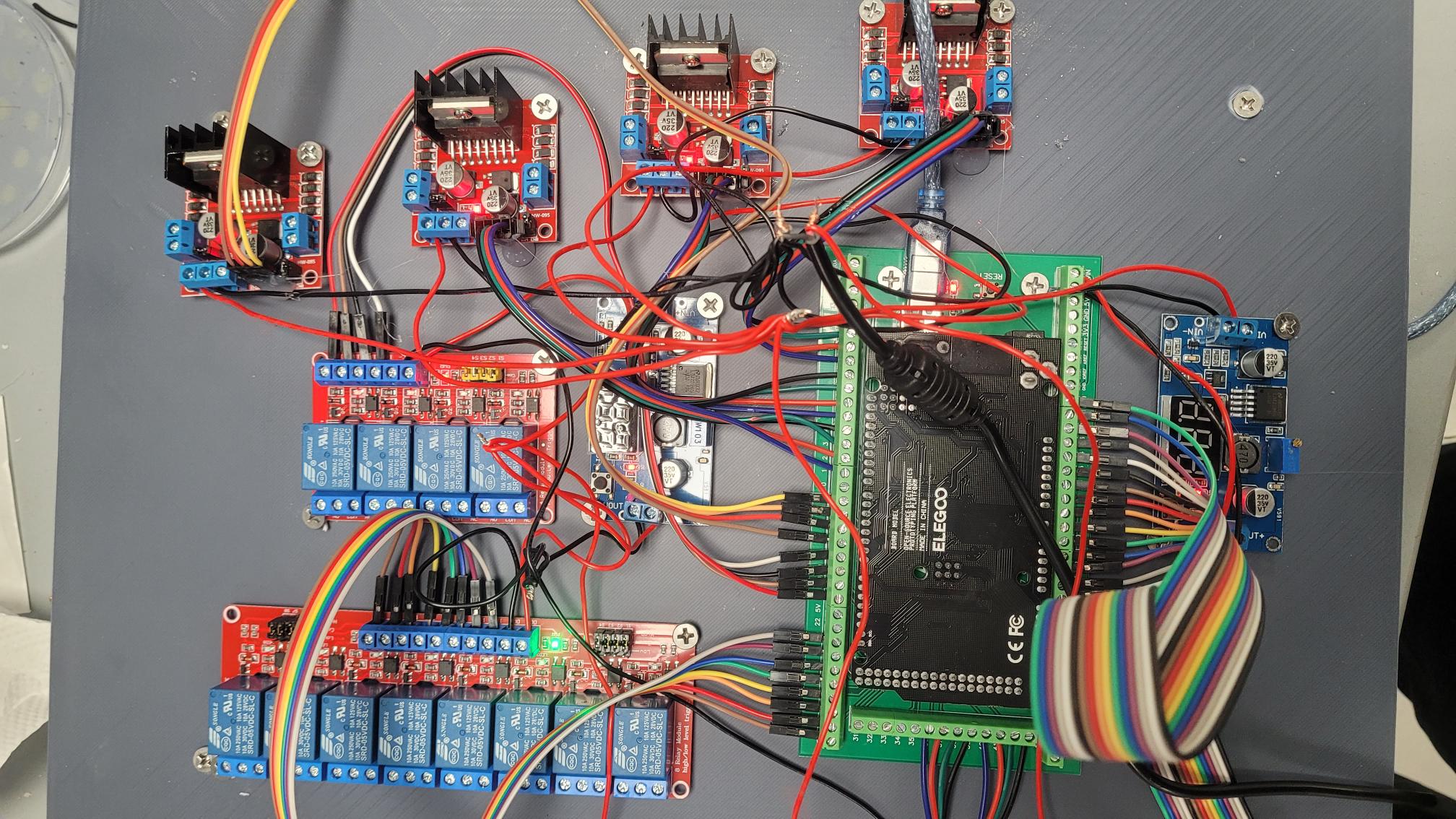
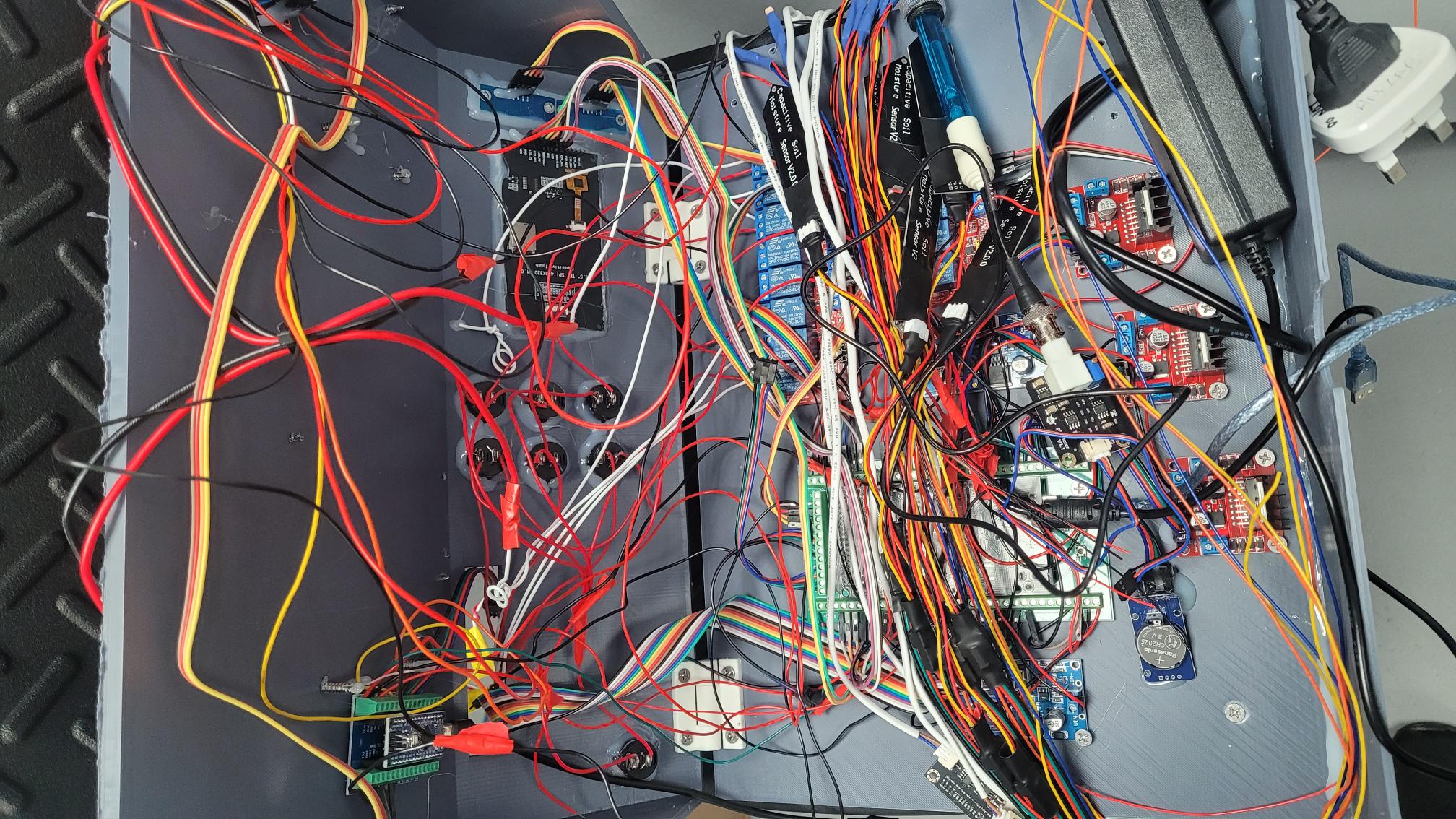
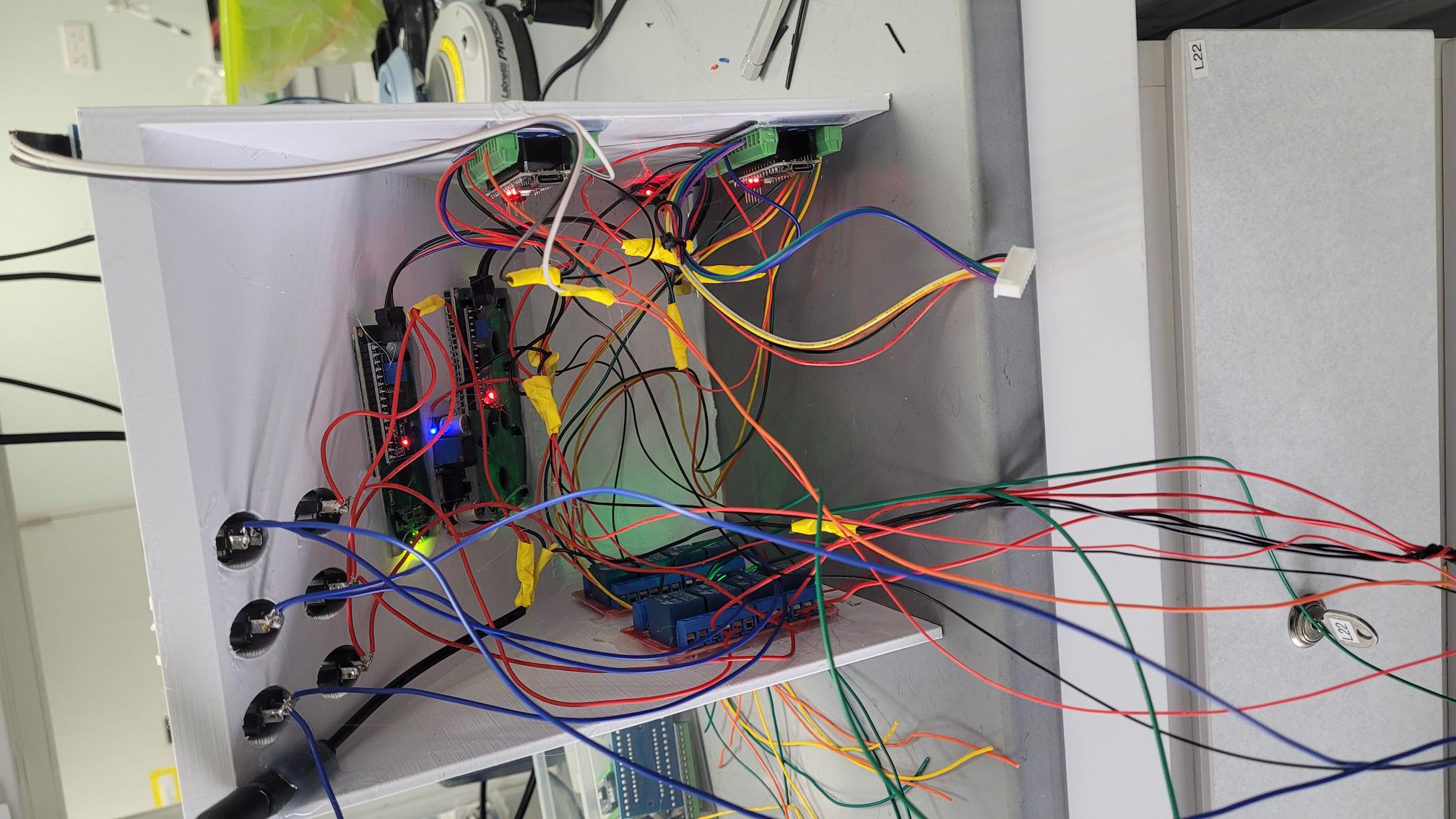
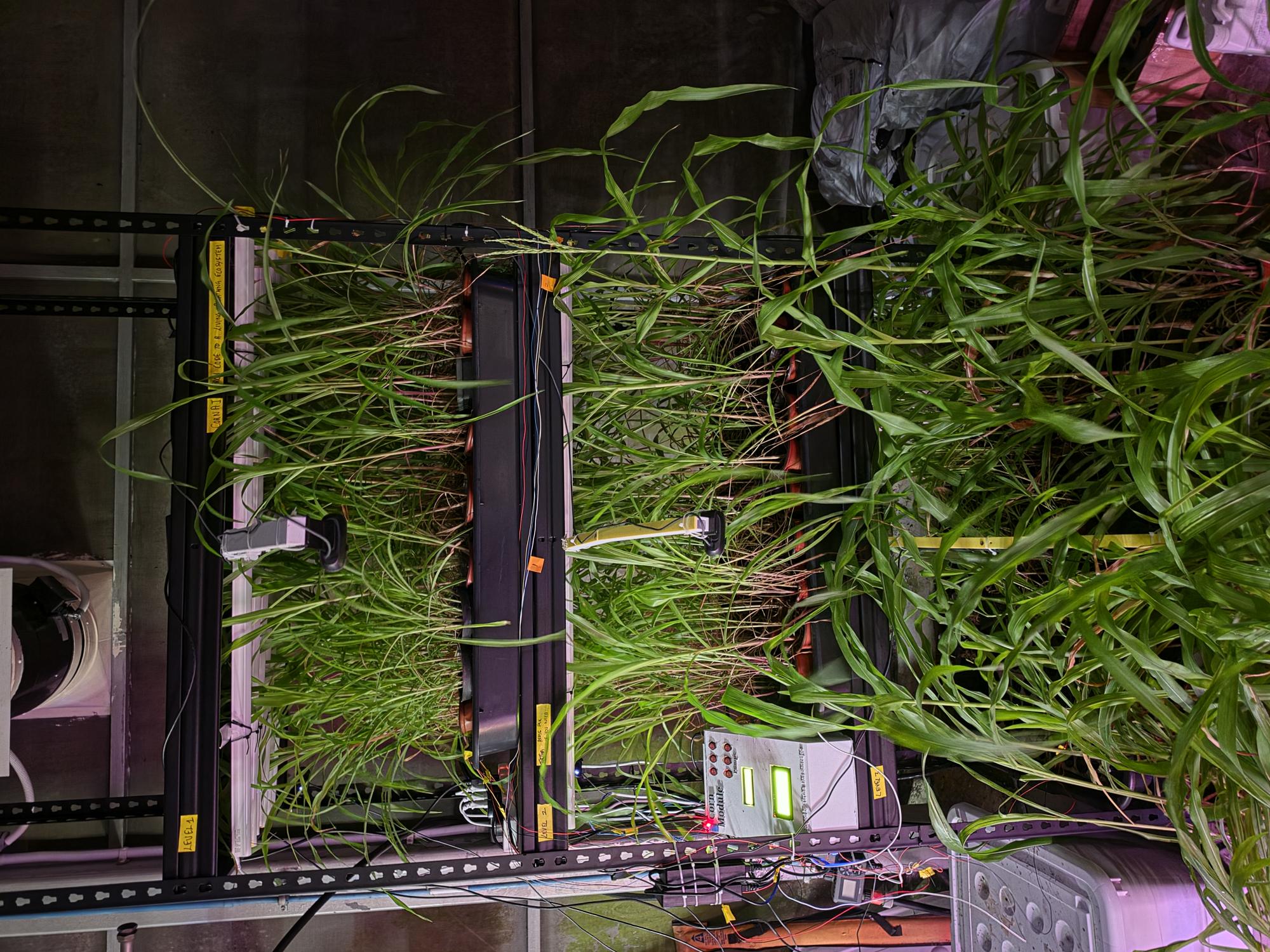
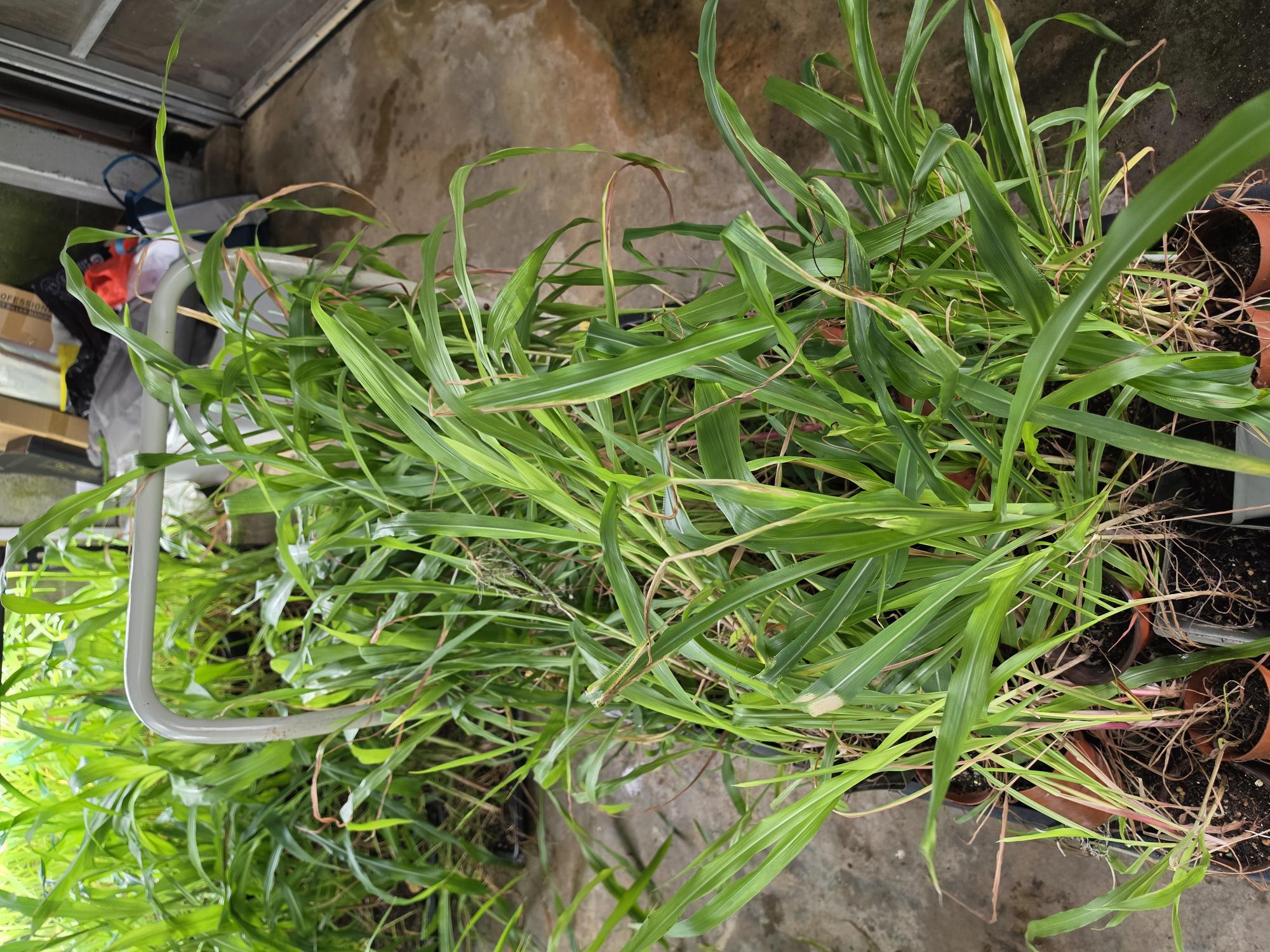
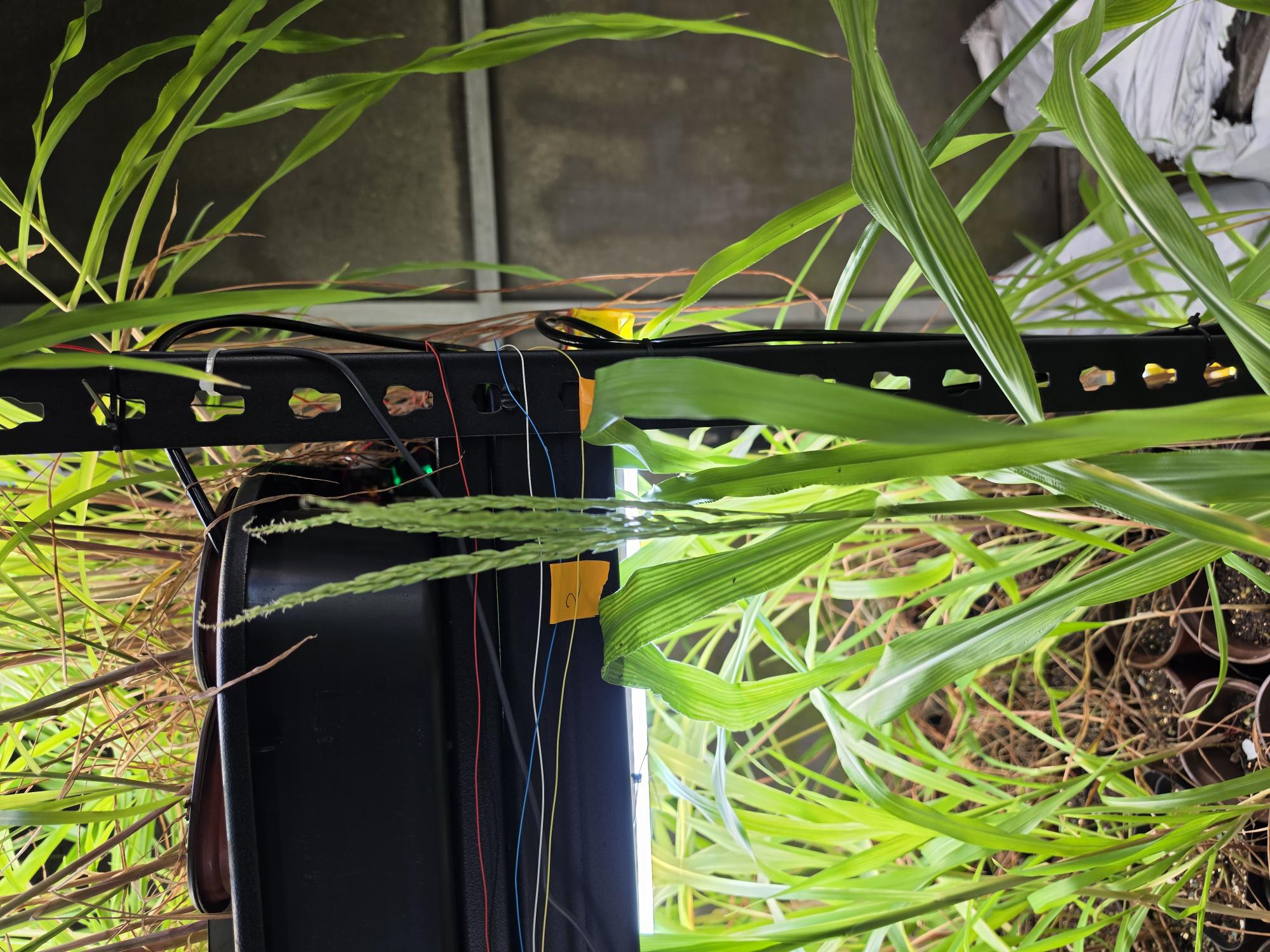
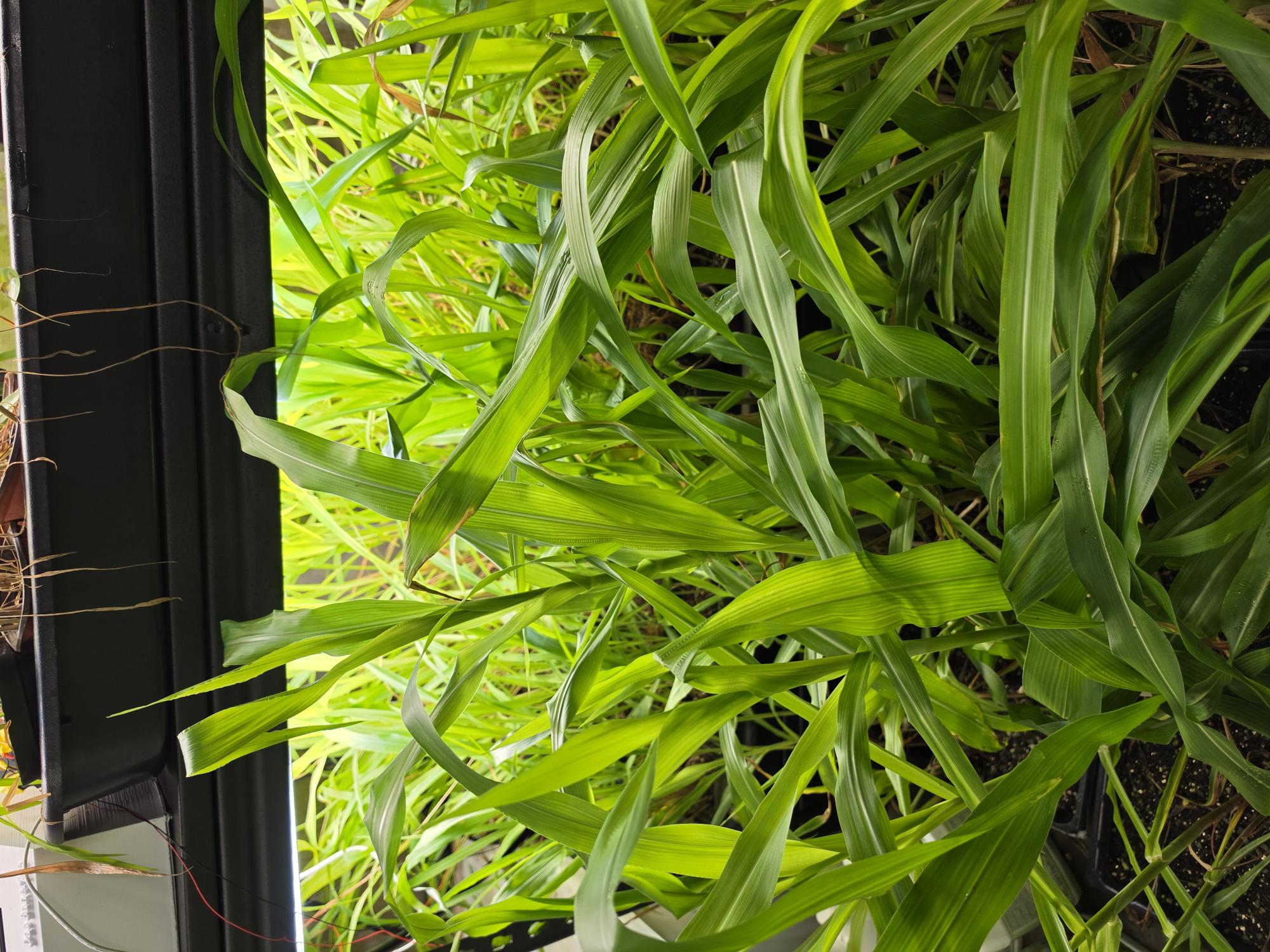
- A gallery of CORN-DRIVE growing system I designed and implemented.
- The CORN-DRIVE system is a dual-mode, autonomous indoor cultivation platform that transforms precision agriculture by transitioning from traditional timer-based irrigation to Vision-Defined Actuation (VDA).
- Operating as a decentralized Neural Rack, its primary Edge-AI tier utilizes a low power CPU and highly optimized computer vision to continuously monitor plant phenotypes, instantly translating early biological stress markers into targeted microcontroller interventions.
- To ensure maximum experimental rigor and provide a reliable control group, the system also features a robust, AI-independent baseline tier that relies on standardized soil moisture sensors and precise real-time clock scheduling.
- By successfully bridging the gap between high-throughput biological phenotyping and real-time robotic actuation, CORN-DRIVE provides a scalable, open-source blueprint for the next generation of intelligent, self-learning automated farms.
- Corn plants are grown to feed the larvae of Bicyclus anynana butterflies.
AI Mode Flow
Baseline Mode Flow